


 1 (760) 224-9616
Last Updated: November 23, 2026
Quick Summary
Online marketplaces give hobbyists a very broad product range, competitive pricing and secondhand finds that no single specialty store can match. They suit hobbyists because one platform covers both the starter item and the related accessories, though you should check seller ratings and return terms before buying.
- Compare the delivered total, including shipping, tax and possible return postage, not the sticker price.
- Check seller history, return policy clarity and listing precision before any purchase over a trivial amount.
- Pay through the platform, never by direct bank transfer or messaging-app payment request.
- Match platform features to your hobby: specs for instruments, seller ratings for fragile outdoor gear.
- Buying on price alone and ignoring return terms is the most expensive mistake hobbyists make.
Table of Contents
- Why Online Marketplaces Suit Hobbyists Better Than Ever
- Benefits of Buying Hobby Supplies Online
- Online Marketplace vs Specialty Store: What Each Does Best
- How to Find Reliable Online Sellers
- Matching Marketplace Features to Your Hobby
- Common Mistakes Hobbyists Make When Shopping Online
- Start Your Next Hobby Haul on onlinegotmine.com
- Frequently Asked Questions
Why Online Marketplaces Suit Hobbyists Better Than Ever
Online marketplaces are digital platforms where many independent sellers list products under one storefront, letting buyers search, compare and purchase across categories without visiting multiple shops. For hobbyists, that breadth matters more than almost any other feature. Hobbyists often start with one item, such as a guitar, and then need related accessories, which a single marketplace can cover.
The shift is practical rather than fashionable. Hobby communities have always been underserved by local retail, because a shop cannot survive on the handful of people in one town who collect vintage reels or build model railways.
Below, we break down what marketplaces genuinely do better than specialty stores, how to vet sellers, and where hobbyists most often go wrong.
Benefits of Buying Hobby Supplies Online
Buying hobby supplies online gives you access to inventory that no single physical shop can stock, at prices shaped by far more competition. That is the whole argument in one sentence. Everything else is detail.

Niche Gear You Cannot Find Locally
A general store may not carry specialty items such as a chromatic clip-on tuner. An online marketplace such as onlinegotmine.com can list items like this one, which works across guitar, bass, ukulele, banjo and violin.
That difference compounds as your hobby narrows. The more specific your interest, the less likely a nearby shop carries it and the more a broad online catalog earns its place.
Cost Savings and Secondhand Finds
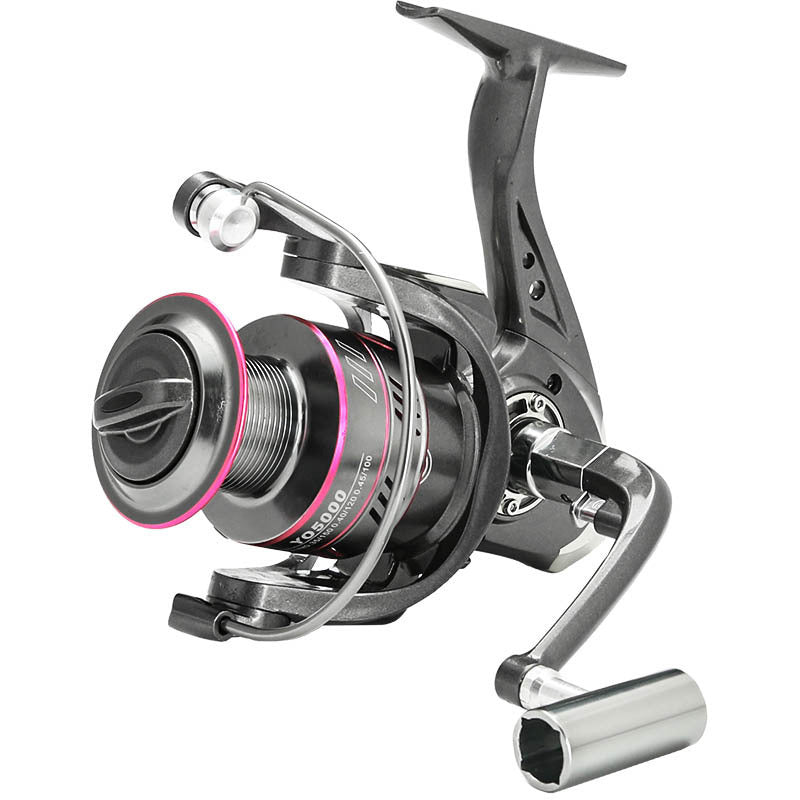
A concrete example of accessible pricing: a full metal fishing reel or a fiberglass soft-tip lure rod at £21.80 shows how little entry into a hobby can cost when you buy online rather than through a specialist counter.
Online Marketplace vs Specialty Store: What Each Does Best
The honest answer is that marketplaces win on range, price transparency and secondhand supply, while specialty stores win on expertise, hands-on inspection and immediate after-sales help. Neither dominates completely, and anyone claiming otherwise is selling something.
| Factor | Online Marketplace | Specialty Store |
|---|---|---|
| Product range | Very broad, many categories, long-tail niche items | Narrow but deep in one craft |
| Pricing | Competitive; secondhand and clearance layers | Higher list prices, less discounting |
| Visible costs | Item price, shipping, possible platform fees, tax at checkout | Shelf price, often all-in |
| Expert advice | Limited and seller-dependent | Staff who practise the craft |
| Trying before buying | Not possible; rely on specs and returns | Possible |
| Returns | Policy varies by seller; return postage is the friction point | Usually in-store, often simpler |
| Speed | Days, unless local pickup is offered | Same day |
| After-sales | Platform dispute process, seller-dependent | Relationship with a named person |
Where the specialty store still earns its keep is the first purchase in a complex hobby, where you need to hold the instrument, hear the amp or ask questions about fit. After that, most hobbyists shift online for consumables, upgrades and accessories, because the specialist counter cannot justify shelf space for a single obscure part.
The cost comparison is where hobbyists most often misjudge the two channels. A marketplace listing looks cheaper until shipping, tax and a possible return postage bill are added; a specialty store looks expensive until you count the fuel, parking and time of a trip that may end in a special order anyway. The practical rule most experienced hobbyists settle on is to compare the delivered total, not the sticker price, and to weigh the return terms as part of that total. A cheap item you cannot return costs more than a fair-priced one you can.
Watch out: a marketplace's low headline price can hide a per-seller shipping charge that only appears at checkout, so build the basket before you judge the deal.
If you are weighing a marketplace against a large general retailer, our breakdown of whether onlinegotmine.com is a good Target alternative covers the practical differences.
How to Find Reliable Online Sellers
Finding reliable online sellers comes down to three checks: seller history, return policy clarity, and whether the listing describes the product precisely enough to hold the seller to it. Do those three and most risk disappears. The rest of this section explains what each check actually looks for, because the checklist is only useful if you know what a bad answer looks like.
Trust, Safety and Authenticity Checks
Run this checklist before any purchase over a trivial amount:
- Seller has a visible rating and a meaningful number of past sales, not a handful of five-star reviews from one week
- Return window and who pays return postage are stated plainly in the listing, not buried in a policy page
- Product listing names exact specs, model numbers and dimensions, not vague descriptions
- Payment goes through the platform, never a direct bank transfer or a messaging-app payment request
- Contact route exists for problems, ideally a phone line or a platform messaging thread that leaves a record
- Photos show the actual item, not a generic stock image
- For branded goods, the seller is listed as an authorised stockist or the listing carries the maker's own warranty terms
The last two points matter most with secondhand and collectible gear. A seller who photographs the specific instrument, including any wear, is usually a seller worth buying from; a seller who reuses catalogue images across every listing is telling you something about how they will handle a problem.
How Platform Protection Actually Works
Most marketplaces sit between buyer and seller in three ways, and knowing which applies changes how you should pay and complain.
Counterfeit and Misdescription Risk
Counterfeit risk concentrates in a few hobby categories: branded accessories, consumables such as strings and line, and collectibles where a reproduction can pass for an original at a glance. The practical defences are unglamorous. Buy branded consumables from sellers with a long trading history in that category rather than the cheapest listing. Ask for the serial number or a dated photo for anything collectible. And treat a price far below every other listing as a description problem until proven otherwise, not a bargain.
For a deeper walkthrough on vetting sources for uncommon gear, read our guide on how to find niche hobby equipment online without getting burned.
Matching Marketplace Features to Your Hobby
Match the platform to what your hobby actually demands, not to whichever site has the loudest homepage. A model builder needs precise search filters and dimensions in the listing. A musician needs audio-relevant specs and a generous return window. A pet owner needs repeat-order convenience and reliable delivery.
Here is how we would map it:
- Music and instruments: prioritize listings with full specifications and accessory bundles
- Fishing and outdoors: prioritize seller ratings and shipping speed for fragile items
- Collecting: prioritize photo quality and item condition descriptions
- Pet supplies: prioritize repeat ordering and delivery reliability
Hobbyists in music tend to want a shortlist rather than an endless scroll, which is why a curated list of the best online stores for niche guitar accessories saves time. Pet owners face the same problem in a different category, and this practical buying guide for pet supplies stores applies the same selection logic.
Common Mistakes Hobbyists Make When Shopping Online
The most expensive mistake is buying on price alone and ignoring the return terms. A cheap item you cannot return costs more than a fair-priced one you can.
Three others come up repeatedly. Buying accessories before confirming they fit the specific model you own. Trusting a listing photo over the written specification. And ordering a single low-value item when bundling would have cleared a free shipping threshold.
The thing nobody tells you about hobby shopping online is that the second purchase matters more than the first. Your first buy gets all your attention; your fifth is where people get careless and stop checking seller ratings. That is exactly when a bad seller slips through.
Start Your Next Hobby Haul on onlinegotmine.com
The gap between wanting to try a hobby and actually trying it is usually a sourcing problem, not a motivation problem. Close that gap and most people start within a week instead of "someday."
onlinegotmine.com is built for exactly that: a broad catalog spanning electronics, home goods, musical instruments and pet supplies, free shipping on select items, multi-currency support so international buyers see prices in their own currency, and customer support you can reach by phone when an order needs sorting out. Daily trending deals and coupon codes keep the cost of trying something new low.
Get started with onlinegotmine.com and turn a hobby you have been putting off into an order you place this week.
Frequently Asked Questions
Why do people buy hobby supplies online?
The main draw is selection. Physical stores stock what sells locally, so niche items like a clip-on chromatic tuner for a banjo or a soft-tip fiberglass fishing rod often have to be ordered. Online marketplaces also make price comparison quick and let you buy secondhand gear. Add free shipping on select items and multi-currency support, and the convenience of shopping from home becomes hard to match for hobbyists who need specific parts.
How can I find reliable sellers for hobby supplies online?
Check three things before you buy. First, confirm the listing shows real product specifications rather than vague descriptions. Second, look for a support channel you can actually use, such as a phone line, not just a chat queue. Third, read the shipping and returns terms so you know what happens if an item arrives damaged. On onlinegotmine.com, customer support is reachable by phone.
Are online marketplaces cheaper than specialty hobby stores?
Often yes, but not always. Marketplaces cut costs by carrying a broad catalog rather than maintaining a showroom, and coupon codes and daily trending deals push prices down further. Specialty stores can win on expert advice and hands-on inspection. For a major purchase where you want to try before buying, a local store may still be worth the premium.
Can online marketplaces help me find niche hobby products?
Yes, online marketplaces can list niche items that a single local shop may not stock. A marketplace carrying fashion, electronics, home improvement and musical instruments in one catalog can list items a single-category shop would never stock, from a pocket guitar for practice on the move to a 170-style electric guitar bundle with bag, strap and cable included. Search filters and category browsing make those niche items findable without visiting multiple stores.


